Are you looking for a tasty way to improve your dishes? If so, you may be considering adding fresh or rubbed sage to your recipe.
But which is the better option?

What is Rubbed Sage?

Rubbed sage is a dried herb that has been crushed or ground.
The process of rubbing the leaves of the sage plant results in small, fine pieces that are then packaged and sold as rubbed sage.
Unlike fresh sage, which can be used immediately after plucking from the plant, rubbed sage has a longer shelf life and can be stored for months without losing flavor.
This makes it a handy ingredient to have on hand for cooking and seasoning dishes.
Rubbed sage is often used in savory dishes like stuffing, meat rubs, poultry seasoning, and casseroles.
It provides an earthy and slightly bitter flavor that goes with the flavors of many ingredients.
Also, it is less pungent than fresh sage, making it suitable for use in recipes where the herb's taste should not be overpowering.
One unique feature of rubbed sage is that its texture allows for more even distribution throughout a dish compared to using fresh sage leaves.
When you sprinkle rubbed sage over your food while cooking or seasoning it before cooking, you will get consistent flavor in every bite.
For an example of pairing ingredients with contrasting profiles, see what goes well with lemon in desserts ideas to inspire complementary and contrasting pairings.
What is Fresh Sage?

Fresh sage, an herb native to the Mediterranean, is also known as Salvia officinalis.
Fresh sage has long green-grey leaves that offer a pungent aroma and slightly bitter, earthy flavor.
The herb can be used in a variety of dishes, including roasted meats, sauces, soups, and stews.
The leaves are typically picked fresh and used immediately for best taste and flavor.
When using fresh sage in cooking, it is important to remove the stem from the leaf as the stems can be tough and woody.
The best way to store fresh sage is by wrapping it in a damp paper towel or storing it in an airtight container in the refrigerator.
If stored correctly, fresh sage can last for up to one week.
Fresh sage offers many health benefits such as anti-inflammatory properties and antioxidant benefits.
It is rich in vitamins A and C and provides fiber that is beneficial for digestion.
Also, it may help improve brain function and memory recall.
For a similar look at how fresh and familiar herbs differ, see fresh dill vs dill weed comparison guide for differences in flavor and use.
Differences Between Rubbed Sage and Fresh Sage
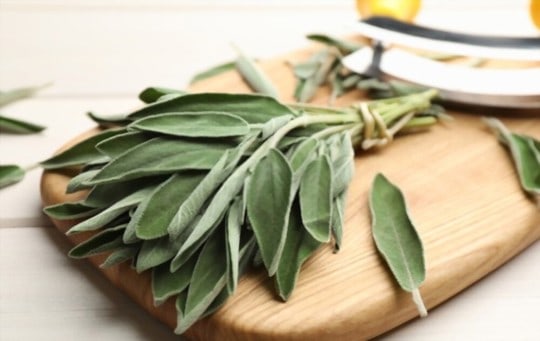
Sage is a versatile herb used in various cuisines, and the debate between rubbed sage and fresh sage is an ongoing one.
Considering their differences, Rubbed Sage is the dried form of the herb with a slightly milder flavor than fresh sage.
On the other hand, Fresh Sage has a strong earthy flavor that makes it suitable for dishes like poultry stuffing and roasted potatoes.
Rubbed Sage's subtler flavor makes it more accessible to add as a seasoning in recipes requiring subtle flavors such as soups and pasta sauces.
Both forms of Sage have unique properties that make them suitable for specific dishes.
However, Fresh Sage loses its potency fast due to its high water content and may need constant replacement - see fresh sage vs dried sage comparison for more on storage and potency.
Rubbed Sage incorporates more evenly into dishes, making it a good option for spice blends.
Its subtle flavor doesn't overpower other spices while still improving the overall taste.
Interestingly, fresh and rubbed sage contain different levels of antioxidants, with rubbed sage possessing more antioxidant properties than its fresh counterpart.
This factor makes rubbed sage an excellent pick for health-conscious individuals wanting to incorporate more nutritious options into their diet.
Processing and Texture
The preparation and consistency of rubbed sage vs fresh sage is an important factor to consider when choosing the right option for a recipe.
Rubbed sage is dried and crumbled, which results in a fine powder that can be easily measured and added into dishes.
On the other hand, fresh sage has a more sturdy texture with thicker leaves that need to be chopped or minced before use.
When rubbing sage, it tends to lose some essential oils and flavor compared to fresh sage.
However, it also has a milder flavor due to the fine particle size.
In contrast, fresh sage has a stronger aroma and taste due to its higher concentration of essential oils.
It also adds texture and visual appeal to dishes such as soups and stews.
Rubbed sage may have less nutritional value than fresh alternatives due to its processing method and extended shelf life.
Fresh sage also contains higher levels of vitamins A, C, and K.
Overall, both rubbed sage vs fresh sage have their pros and cons depending on the recipe's specific needs.
When looking for a milder flavor with ease of use, rubbed sage can be a better option.
But if seeking out strong herbal flavors with added texture benefits, fresh sage is undoubtedly a better selection.
For insights on how texture changes mouthfeel in recipes, review vegan hummus recipes for creamy texture tips that illustrate texture's role in flavor perception.
Flavor Intensity
Sage is a culinary herb that has been used for generations to add flavor and depth to dishes.
The intensity of its flavor can range from subtle to strong, depending on the amount used and how it is prepared.
Rubbed sage, which is dried and crumbled, has a more concentrated flavor than fresh sage leaves.
This makes it ideal for recipes that require a strong sage flavor, such as stuffing or sausage.
However, fresh sage leaves provide a milder flavor that works well in lighter dishes like pasta or roasted vegetables.
When using rubbed sage, it's important to remember that a little goes a long way.
Its concentrated flavor can easily overpower other ingredients in a dish if too much is added.
On the other hand, fresh sage leaves have a softer aroma and should be used in larger quantities to achieve the desired level of flavor intensity.
There are some dishes where it's best to use both fresh and rubbed sage leaves for different layers of flavor.
For example, when making chicken soup or potato gratin, adding fresh sage during the cooking process will infuse the dish with subtle hints of fragrance.
While sprinkling in some rubbed sage at the end brings out a stronger herbal taste.
For more on how concentration changes flavor, read extract vs flavor comparison explainer to understand intensity differences.
Convenience and Shelf Life
Convenience and Shelf Life: Sage is a versatile herb that can be used in many dishes.
Both rubbed sage and fresh sage have their pros and cons.
- Rubbed sage has a longer shelf life and is readily available in most grocery stores. It can be stored for several months in an airtight container, making it convenient for those who don't use sage frequently.
- Fresh sage has a shorter shelf life, but the flavor is more potent and flavorful than rubbed sage. It's an excellent option for those who use sage regularly or want to improve the dish's taste.
- Dried sage takes up less space in your kitchen compared to fresh sage, keeping your kitchen tidy while being easily accessible when needed.
Interestingly, Rubbed Sage vs Fresh Sage: Which is a Better Option? There are some unique details to consider when choosing between rubbed or fresh sage; pre-packaged dried herbs may lose their flavor over time as they expire if they are not stored properly.
However, with freshly picked herbs from your garden or farmer's market, you can boost the flavor and aroma of your recipes while maintaining their nutritional value.
Ultimately, the choice lies with personal preference and recipe requirements.
Choosing Between Rubbed Sage and Fresh Sage

Rubbed sage and fresh sage are two options you can choose from when cooking.
Both options are flavorful and healthy.
Rubbed sage is a dried herb obtained by rubbing sage leaves until they crumble into small pieces, while fresh Sage refers to the whole or unbroken leaves of the sage plant.
The choice between rubbed and fresh Sage depends on various factors such as availability, your recipe's requirements, and personal preference.
Rubbed sage is more accessible than fresh Sage since it has a longer shelf life, takes up less room in your kitchen, and eliminates the need for chopping.
However, fresh Sage is often preferred by chefs because its flavor is more pronounced than that of rubbed sage.
Also, rubbing Sage reduces some of its essential oils' potency, which may diminish its aroma.
Also, fresh Sage is usually more versatile than rubbed Sage.
It can be sautéed with other ingredients or used as a topping for dishes to add an extra layer of flavor.
However, if your recipe calls for other dried herbs alongside Sage or involves simmering your dish for several hours in a slow-cooker, then using rubbed sage may be ideal.
If deciding between similar woody herbs, check sage vs rosemary comparison overview to see how flavor profiles influence recipe choices.
Culinary Uses and Applications
Sage is an herb that has been widely used in cooking for its aromatic properties and culinary benefits.
Its varied uses make it hugely popular among culinary experts and home cooks alike.
The use of sage in dishes can range from adding flavor to meat roasts, soups, and stews to pasta and vegetable dishes.
It is also commonly used as a seasoning for many types of sausages.
The key factor for most people is the intensity of flavor.
While both varieties have their unique advantages, they are best suited for different types of cuisines.
Fresh sage is preferred when family-style cooking due to its milder taste and aroma than rubbed sage's.
Also, fresh sage gives off a fragrance that leaves a unique taste on the palate while offering attractive possibilities for presentation due to its bright green color.
On the other hand, rubbed sage works better in dishes with stronger flavors such as pork or beef dishes or creamy sauces such as Alfredo sauce.
Tips for Cooking with Rubbed Sage and Fresh Sage
There are two options available; Rubbed and fresh sage.
While both have their unique flavors and benefits, choosing the right one can make a significant difference in the dish's taste.
Here are some useful tips for cooking with these ingredients:
- Rubbed sage is a dehydrated version of fresh leaves, making it easier to use and store.
- Fresh sage should be washed thoroughly and patted dry before used in dishes.
- Rubbed sage works best in dishes that require a long cooking time as it releases its flavor slowly.
- Fresh sage is best added towards the end of cooking to retain its potency.
- Crumble rubbed sage between your fingers before adding it to the dish to enhance its flavor.
- Chopped fresh sage is an excellent garnish for soups and stews.
In addition to these tips, keep in mind that rubbed sage has a more concentrated flavor compared to fresh sage.
Therefore, if you are substituting one for the other, you will need less rubbed sage than fresh.
These small adjustments can make all the difference when creating perfect flavors.
When balancing acidity in sage-forward dishes, consult white cooking wine vs white wine vinegar showdown for which to use in sauces and reductions.
Storage and Preservation Methods
Sage is a popular herb used in various cuisines as well as traditional medicine.
The storage and preservation of sage leaves play an essential role in maintaining the herb's freshness, aroma, and flavor to ensure their use in the future.
To maintain the quality of sage leaves, it is important to keep them away from direct sunlight, moisture, and air.
One effective way to store sage is by sealing dried leaves in an airtight container and keeping them in a dark, cool place.
Alternatively, fresh leaves can be preserved by freezing them or drying them in a dehydrator.
While storing sage for future use is important for maintaining its quality, freshly picked herbs provide stronger flavors than dried ones.
As such, it may be more beneficial to use fresh sage when possible but ensure proper storage techniques are used if using dried varieties.
Properly preserving and storing sage ensures that you have access to its rich aroma and distinctive flavor whenever needed.
Rubbed Sage vs Fresh Sage: Flavor Impact
Sage is an essential herb that adds a distinctive flavor to various dishes.
Rubbed sage and fresh sage are two options available in the market for adding flavor to your food, but which one should you choose?
Fresh sage has a shorter shelf life than rubbed sage.
Therefore, it may be necessary to use it within three days after purchasing or opt for dried sage instead.
Both have their unique characteristics that can add flavorsome notes to your dishes.
Dinner kit services can change how frequently fresh herbs are used. Dinnerly vs Hello Fresh: Which is a Better Option? compares value and ingredients. Freshly vs Hello Fresh: Which is Better? looks at convenience and freshness considerations.
Frequently Asked Questions
One unique feature of rubbed sage is that its texture allows for more even distribution throughout a dish compared to using fresh sage leaves. They share some similarities but each has qualities that make it better suited for certain recipes.
It depends on the dish. Rubbed Sage and Fresh Sage share some overlap, but each shines in different preparations.
Swapping works best in forgiving recipes like soups or stews.
Pricing varies by brand and region, but one is typically more accessible at everyday price points. The other may cost more due to specialization or limited supply.
Is there a best time to use each one?
One shines in applications requiring subtlety and background support.
The other is better when it is meant to be a center.
Matching the right one to its role makes a noticeable difference.